Top Games to Play Like Destiny 2 in 2026
Seeking Destiny 2 alternatives? These top picks deliver looter-shooter action, deep buildcraft, and fireteam thrills.
Destiny 2 has spent over a decade carving out a unique space in the gaming world, blending top-tier first-person gunplay with the sprawling persistence of an MMO and the buildcraft depth of an RPG. Under Bungie’s stewardship, the franchise grew from a cult curiosity into a live-service titan, delivering a power fantasy where guardians harness paracausal Light and Darkness to repel cosmic threats. With 2024’s The Final Shape expansion providing a narrative capstone to the Light and Darkness saga, many veterans are now surveying the landscape for new adventures. Whether drawn to deep loot systems, cooperative firefights, competitive precision, or boundless exploration, the following games offer compelling alternatives that capture different facets of the Destiny experience.
No Man’s Sky has transformed into the ultimate exploratory sandbox for guardians seeking to trade the Tower for a starship of their own design. Hello Games’ redemption saga continues into 2026 with major updates that deepen base building, faction warfare, and seamless space-to-planet transitions. Players can establish automated resource outposts on neon-lit worlds, assemble a fleet of frigates, or engage in pulse-pounding pirate raids—all within a procedurally generated universe that feels truly infinite. For Destiny fans accustomed to patrol zones, the sheer scale of a single solar system here dwarfs entire expansions, while the recent introduction of guild-style communities and expeditionary storylines echoes the cooperative ambition of massive raid nights.
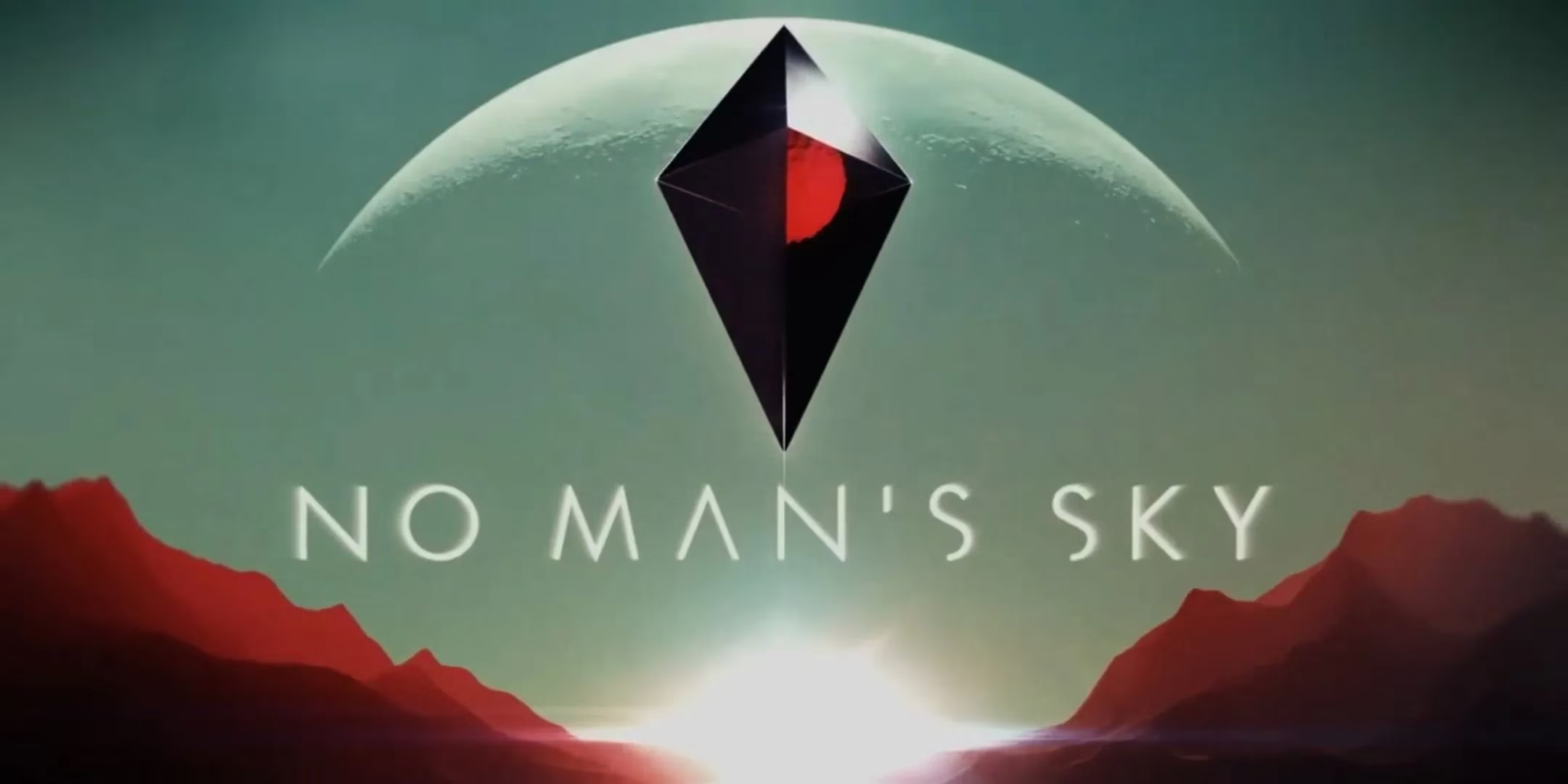
Star Wars: The Old Republic continues to thrive as a sprawling narrative MMO set three centuries before the Skywalker era. As of 2026, the game has received fresh story arcs on Dantooine and Korriban, alongside visual overhauls that modernize its classic BioWare dialogue wheel. Players step into distinct class identities—from Sith Inquisitor to Trooper—and carve out a personal legend across interlocking planetary arcs. Fans of Destiny’s subclass variety will appreciate SWOTOR’s dual-resource combat abilities and companion system, which deliver tactical team play reminiscent of a fireteam strike, while the galaxy-spanning Flashpoints offer dynamic group content that scratches the same itch as public events.
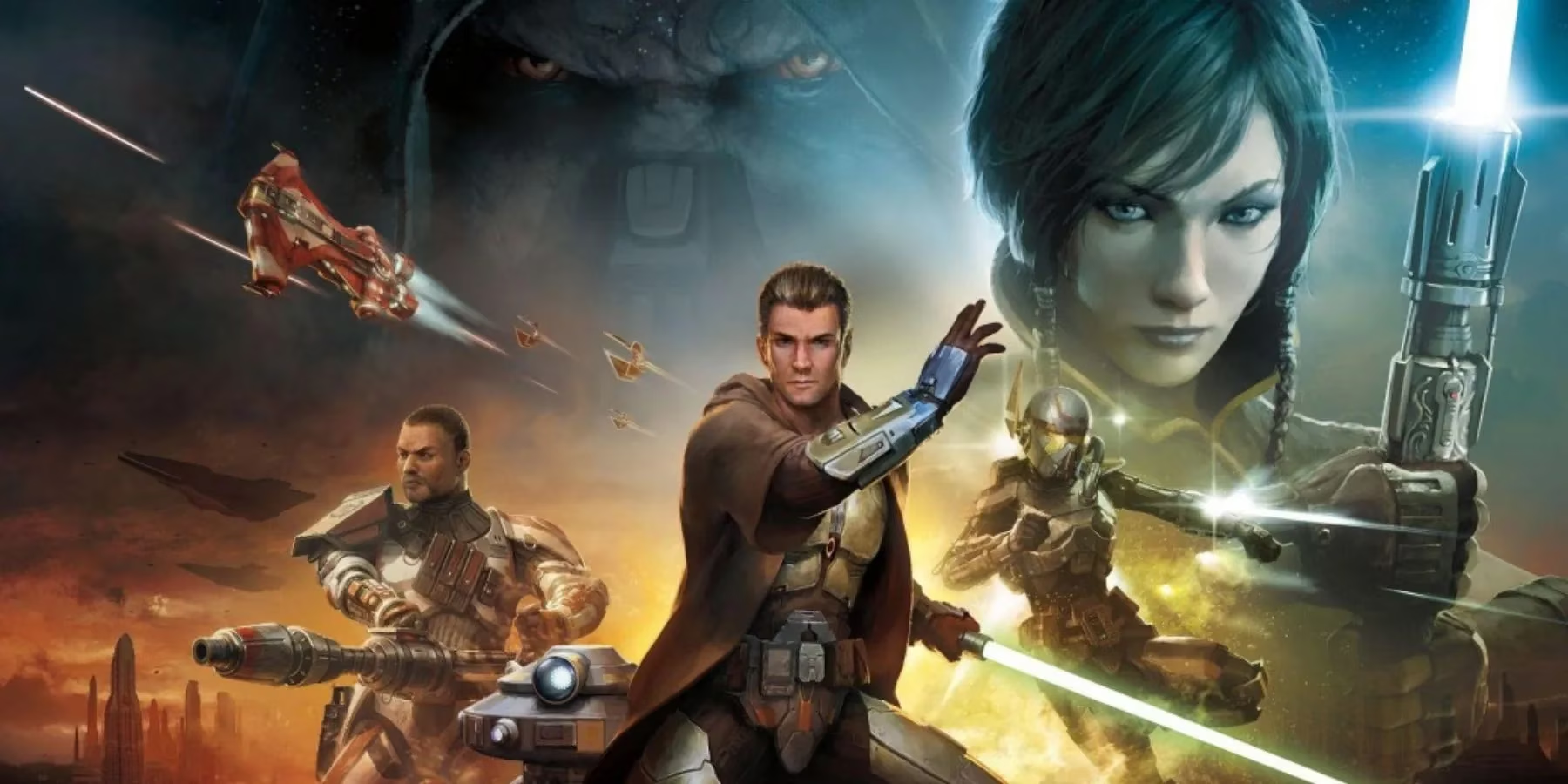
Apex Legends remains the premier choice for Crucible devotees. Respawn’s hero shooter has evolved dramatically by 2026, now sporting a roster of over 30 legends, each with unique tactical and ultimate abilities that rival the build diversity of Destiny’s Guardian subclasses. Season 29 introduced a map set within a derelict colony ship, complete with moving cover and zero-gravity arenas, while the updated ranked mode emphasizes gunfight fundamentals and ability synergy. The fast time-to-kill, slide-strafe mechanics, and weapon attachment system all feel like a natural extension of Bungie’s sandbox philosophy, rewarding aggressive team play and precise movement.
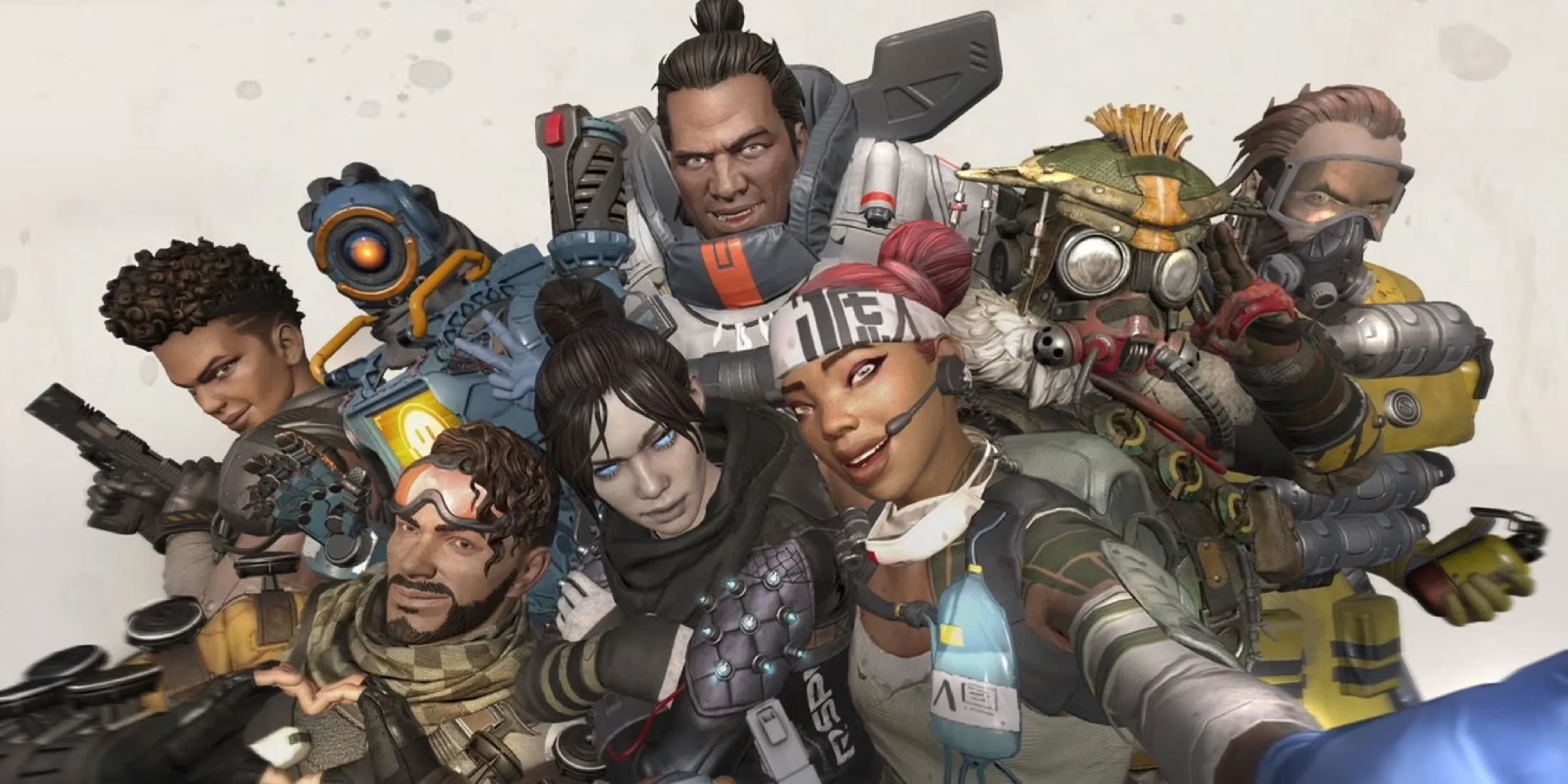
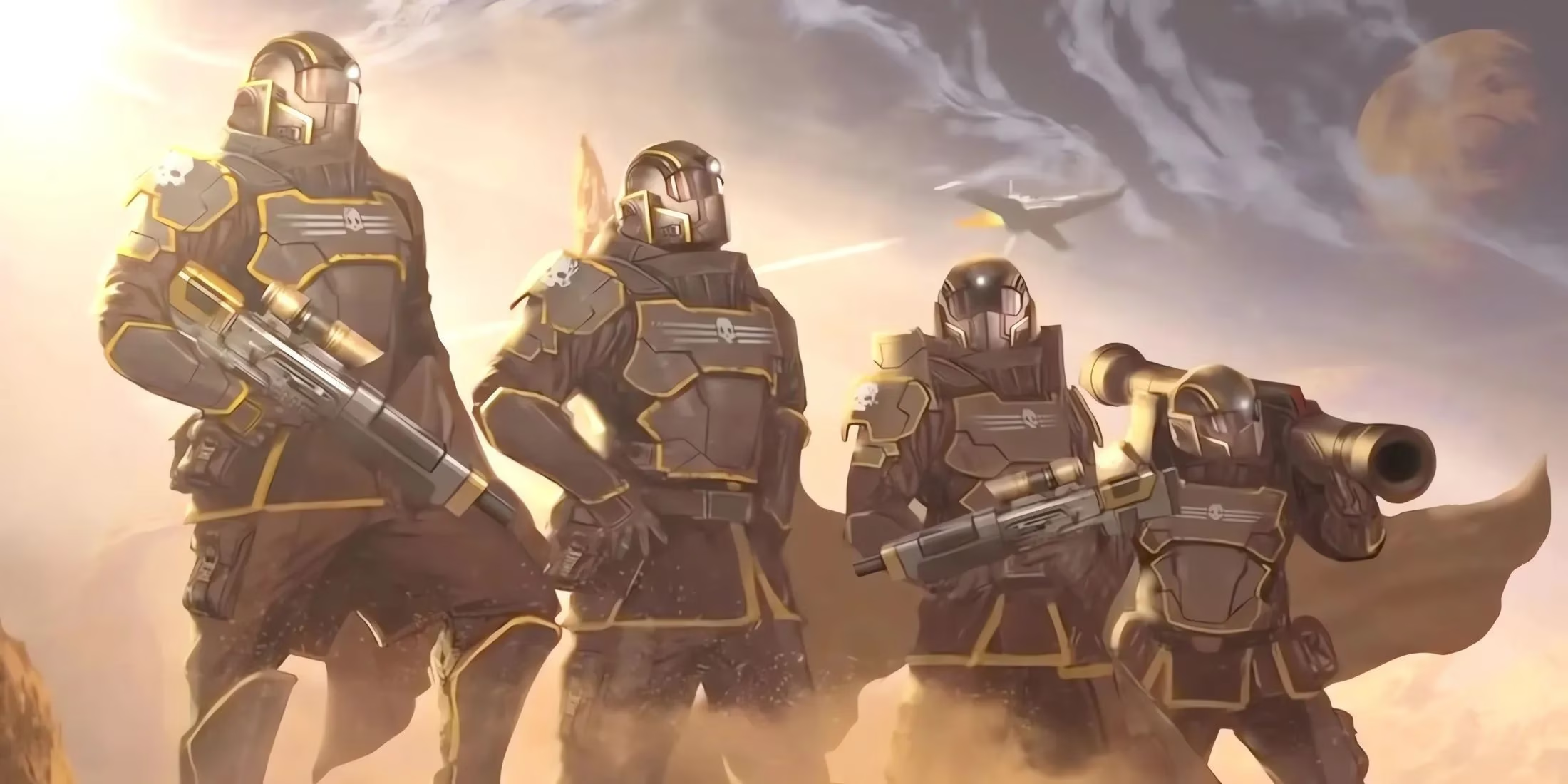
Helldivers 2 captured the lightning-in-a-bottle cooperative chaos that many fireteams crave. Arrowhead’s satirical take on militaristic expansion has only grown richer through 2026, with the Galactic War table now influenced by persistent community campaigns against the Automatons and Terminids. Calling down an orbital laser while a squadmate frantically punches in a reinforcement code echoes the high-stakes rhythm of a Grandmaster Nightfall. The warbond system, which regularly introduces weapons like the programmable rifle grenade and jump-pack variants, mirrors the seasonal weapon chase of Destiny without locking essential power behind endless grinding.
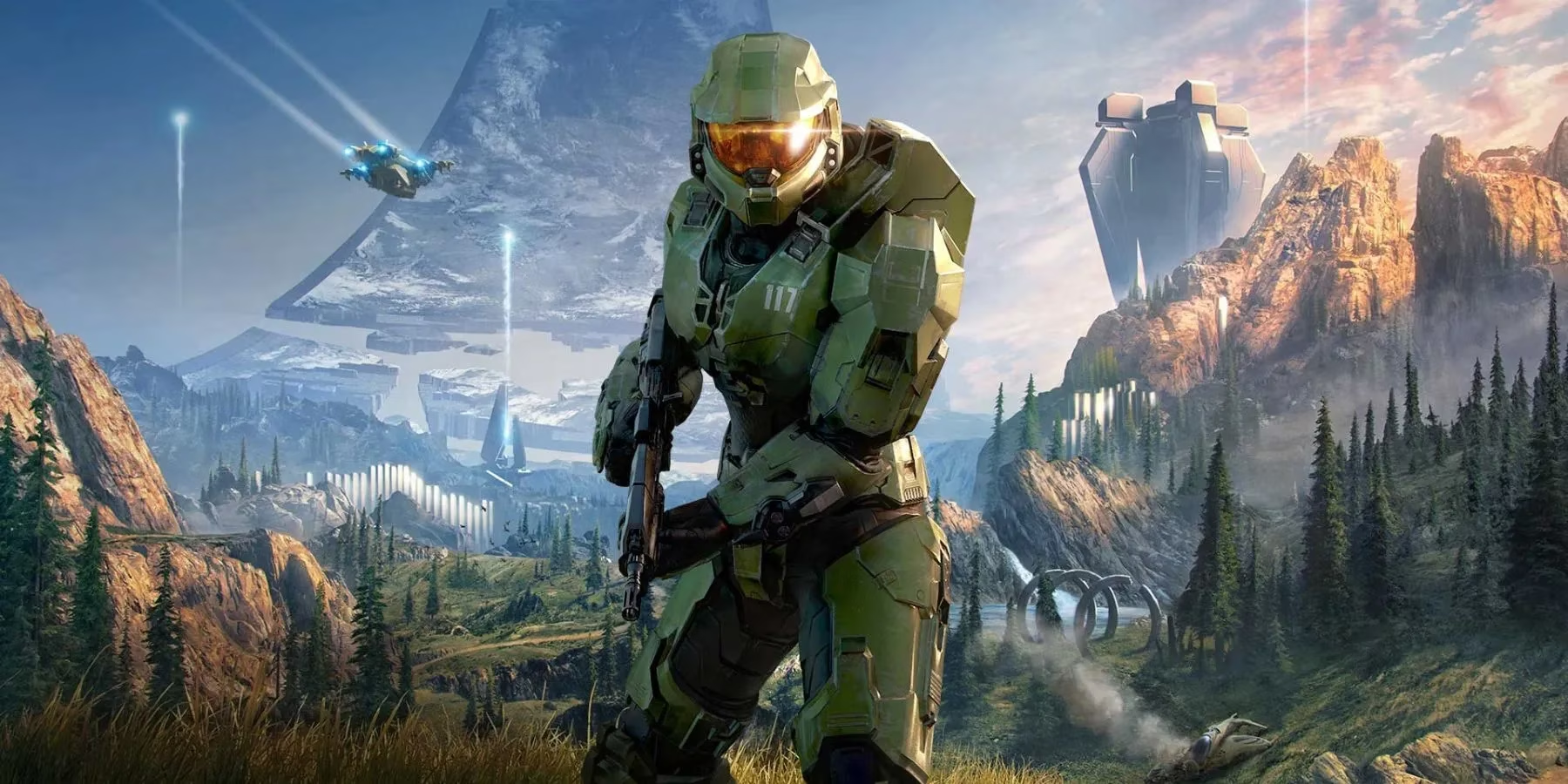
Halo Infinite still stands as a nostalgic touchstone for those who admire Bungie’s legacy. 343 Industries’ 2025 campaign expansion, Echoes of Zeta, added new open-zone regions and the return of the Flood, giving Master Chief a fresh arsenal including the teleportation-based Displacer Gauntlet. Multiplayer remains crisp, with its equipment-centric sandbox offering a pure arena feel that many Destiny PvP regulars find refreshingly free of supers and heavy ability spam. For lore enthusiasts, the shared DNA of narrative motifs—ancient rings, AI sacrifice themes, and underdog humanity—bridges the two universes seamlessly.
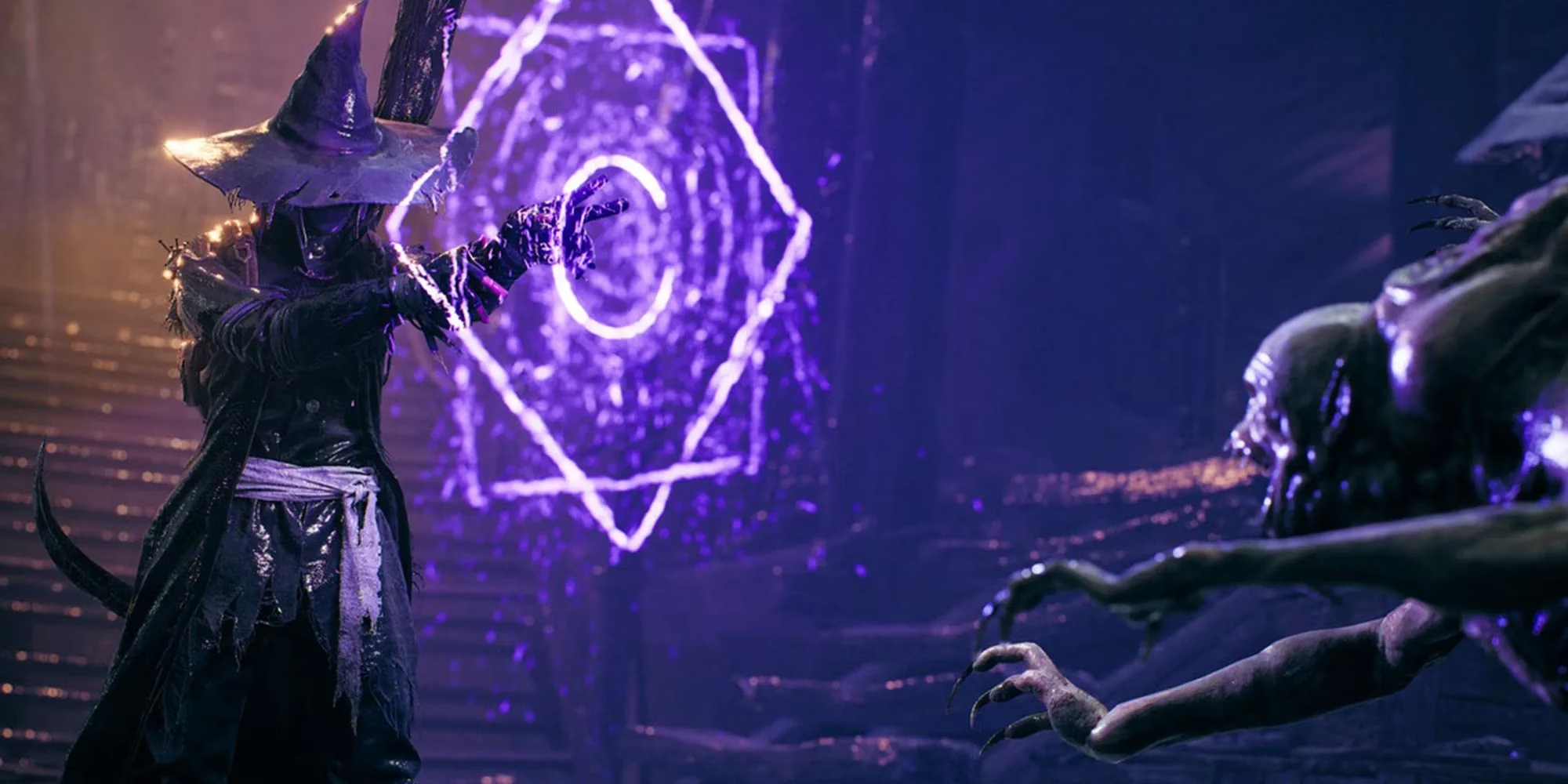
Remnant 2 blends the loot-chase allure of a looter-shooter with the punishing finesse of a Soulslike. The game’s dual-focus on procedural biome generation and boss-centric design has been supercharged by the ongoing Forgotten Kingdom post-launch support, which in 2026 adds the Ritualist class and a labyrinthine jungle realm. Each defeated boss drops a unique crafting material that leads to entirely new weapon mods, much like the thrill of a fresh exotic drop. The emphasis on dodge timing, weak spot damage, and multi-phase encounters provides a darker, more deliberate alternative to the power fantasy of a Solar Warlock.
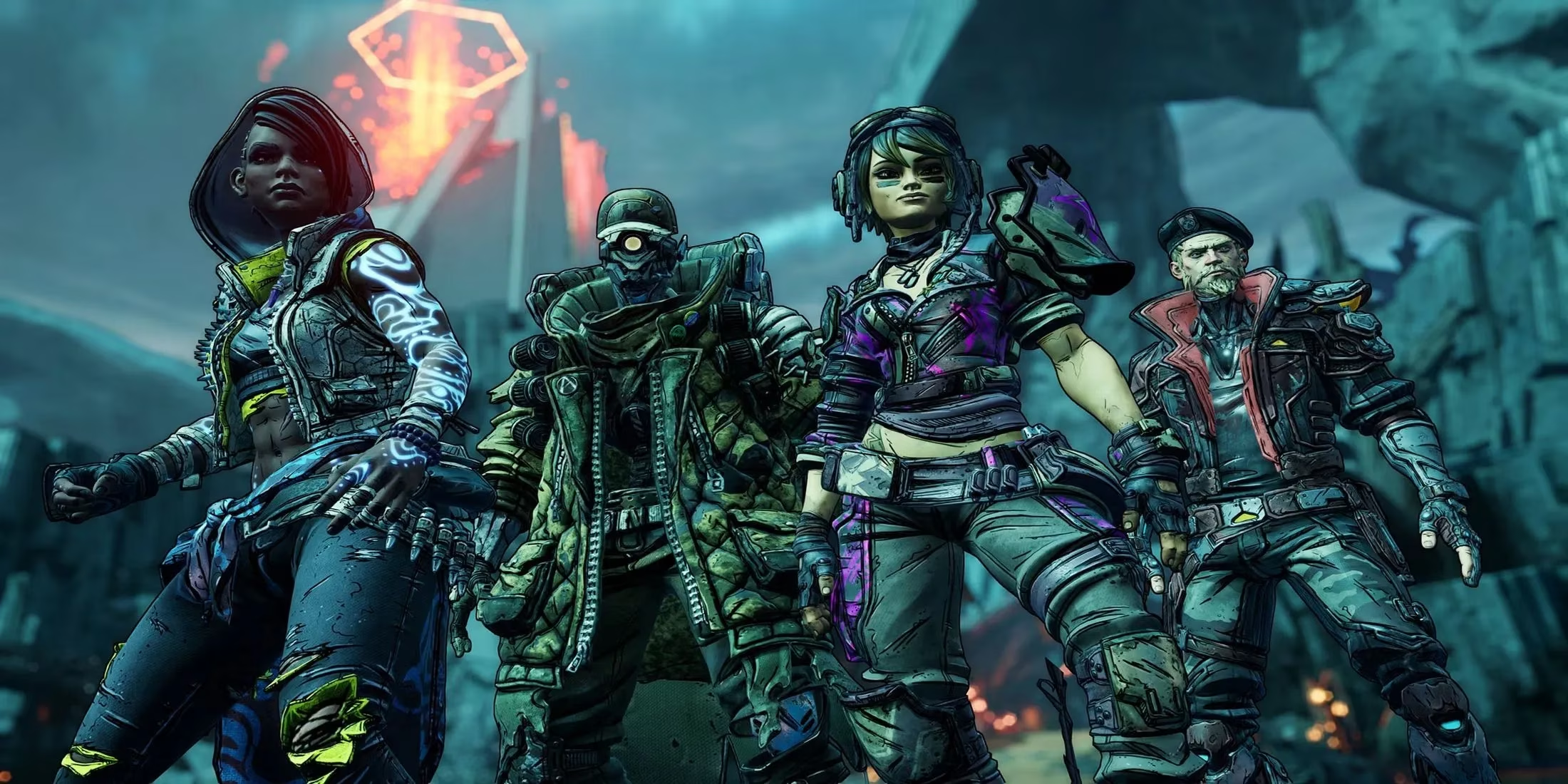
For guardians who cherish exotic arsenals, Borderlands 4 exploded onto the scene in late 2025 with its most unhinged firearm generation system to date. The game introduces “Hybrid Fusion” weapons that morph mid-magazine, along with quadruple-element artifacts that encourage creative chaining. Playing as one of four new Vault Hunters—each equipped with action skills that can be augmented during combat—provides the kind of buildcraft sandbox that Destiny’s Stasis and Strand subclasses championed. The tongue-in-cheek narrative and cel-shaded wastelands offer a vibrant, shoot-first-ask-questions-later reprieve from cosmic solemnity.
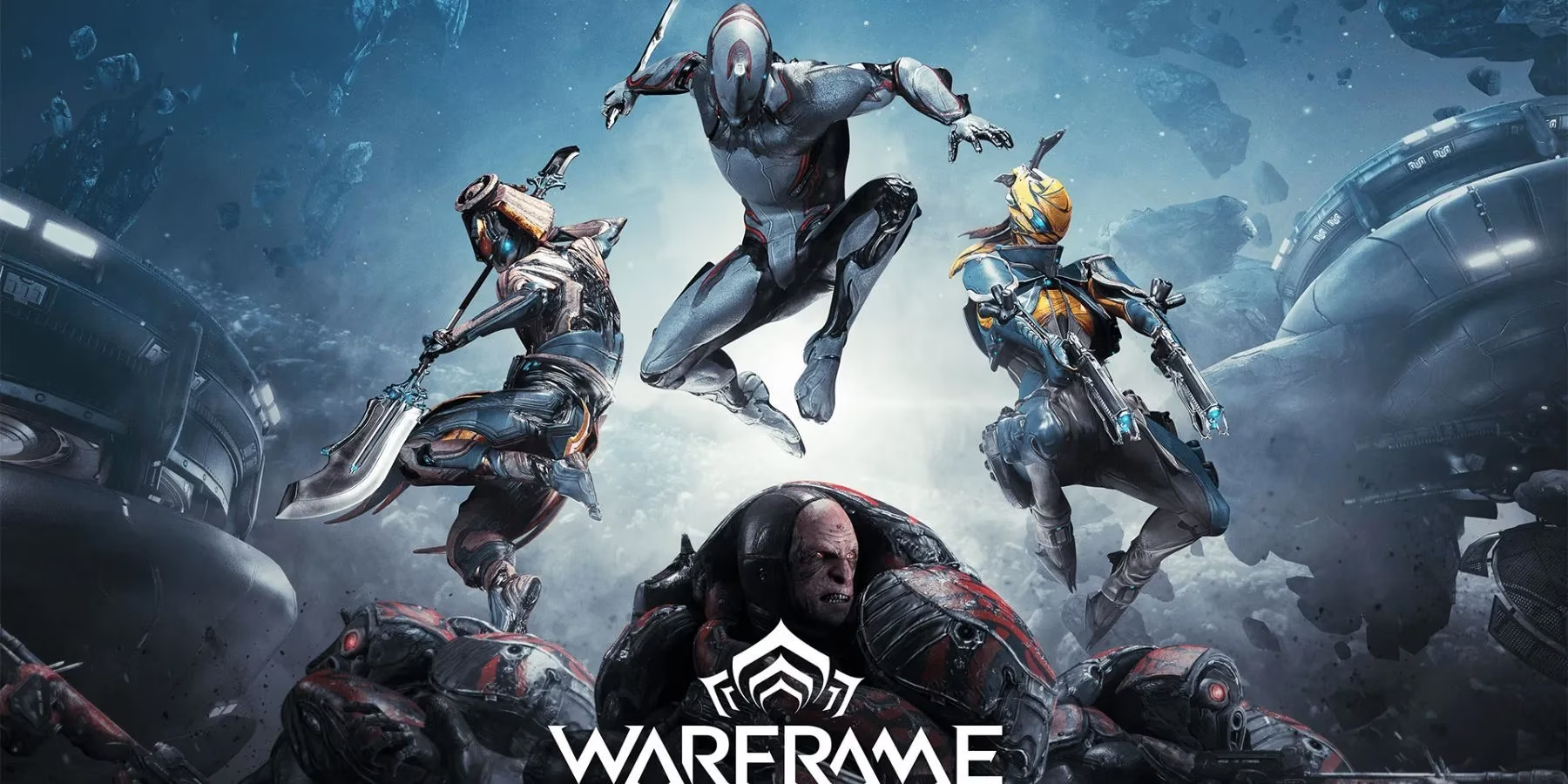
Warframe continues to set the gold standard for free-to-play looter experiences. By 2026, Digital Extremes has expanded the roster to over 60 Warframes, each functioning like a mobile subclass complete with signature weapons and innate elemental passives. The Echoes of Duviri update interwove the Drifter and Operator storylines, while the new Zeriman tilesets offer procedurally generated ship interiors that change nightly—a reminder that live service doesn’t have to sacrifice innovation for consistency. Space combat, hoverboards, fishing, and even a musical minigame called Shawzin rest alongside the core loop of grinding relics and prime parts.
Each of these titles captures a shard of what makes Destiny 2 resonate: the thrill of acquiring untold power, the camaraderie of facing impossible odds, and the wonder of worlds begging to be scoured for secrets. As 2026 unfolds, the journey doesn’t end; it simply redirects to new stars.
Comprehensive reviews can be found on GamesRadar+, and its ongoing coverage of co-op shooters and live-service design helps contextualize why Destiny 2 veterans often gravitate toward alternatives like Helldivers 2, Warframe, and Remnant 2—games that preserve the fireteam-driven loop of repeatable missions, evolving metas, and long-tail progression while shifting the emphasis toward either community-wide campaigns, deeper buildcraft experimentation, or tougher boss-focused combat.