Guardian Games 2026: Medallions, Multipliers, and the Titan-Sized Handicap
Destiny 2's Guardian Games returns with medallions, class pride, and Strike Scoring as Hunters, Warlocks, and Titans battle for bragging rights.
The Guardian Games have always been Destiny 2's annual reminder that even apocalyptic space knights need a sports day. In 2026, the carnival of class pride still asks Hunters, Warlocks, and Titans to stop shooting each other for five minutes and instead shoot everything else for points. The premise is simple: earn medallions, dump them into a worldwide community leaderboard, and argue about which class deserves bragging rights until the next expansion drops. Hunters came in as defending winners, while Titans were present and determined to make it everyone's problem. The starting gun has traditionally fired on May 3, and the 2026 conversation follows the same rhythm: earn, contribute, argue, repeat.
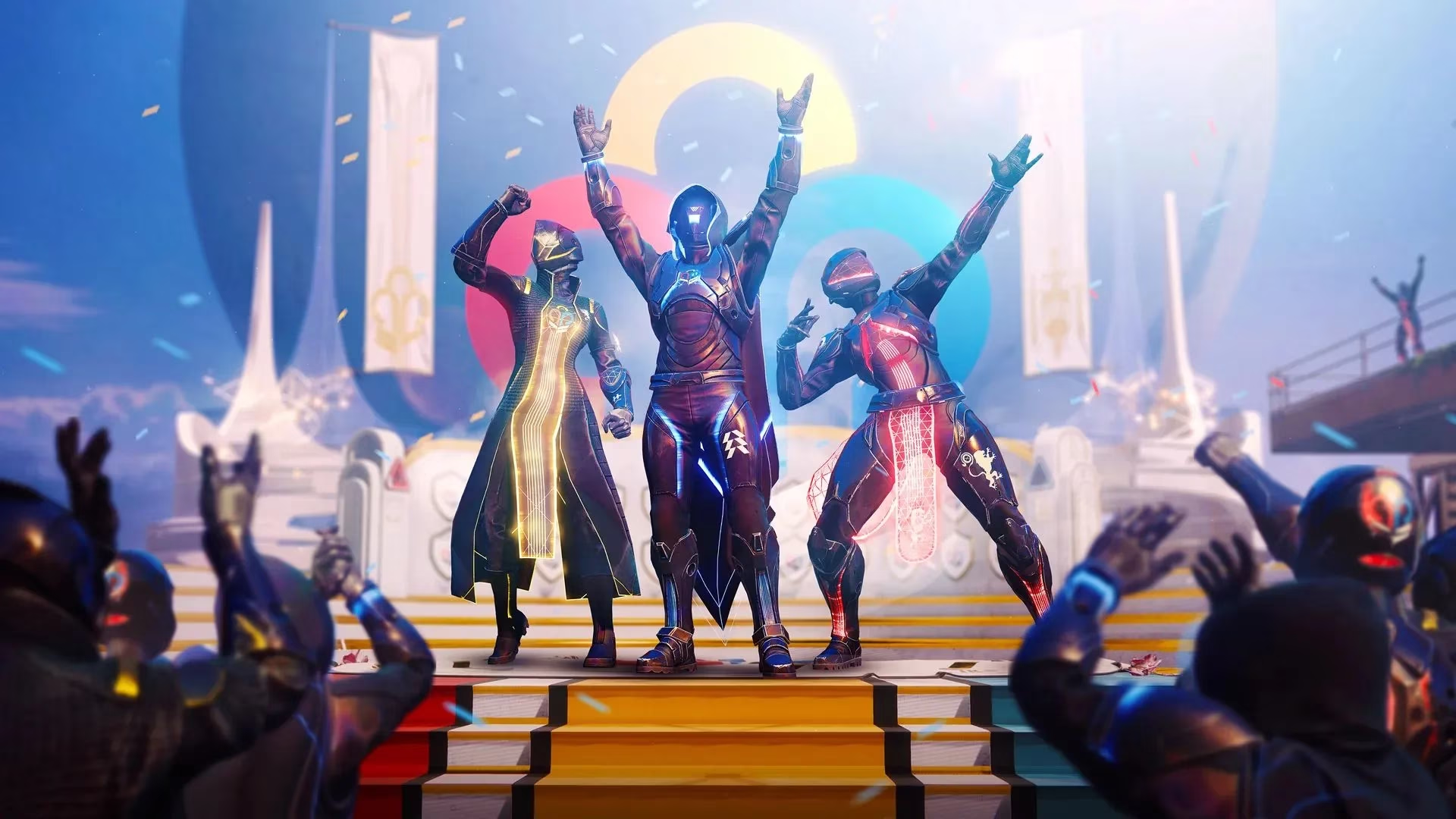
The Medallion Economy, or How to Turn Space Magic Into Civic Duty
Medallions are the event's currency, and the methods for earning them are split into tiers. Contender Cards and Platinum Cards are the main routes, with high-tier versions available from raids, dungeons, Trials of Osiris, Survival, and seasonal content. Lower-tier medallions come from Gambit, Vanguard Strikes, Quickplay Crucible, and other Throne World activities. In other words, there is a lane for every appetite: the raid gremlin, the strike speedrunner, the Crucible menace, and the Guardian who treats Gambit like a personality.
The leaderboard is less a scoreboard than a three-way tug-of-war refereed by caffeinated actuaries. Every class wants the crown, but the population math is not even. There are not equal numbers of Warlocks, Hunters, and Titans running around, so a raw headcount could turn the contest into a popularity poll with better armor. That is why Bungie built in score multipliers rather than letting the largest class simply drown the others in medallions.
Strike Scoring and the Stopwatch of Shame
One of the event's notable additions is Strike Scoring, which factors in play time only for Guardian Games playlists. There are also Strike Medals, designed to reward players for pulling off impressive feats, such as taking out a ton of enemies with a fancy little combat jig like Shatter. This should help players who feel like they are being matched with others that simply zip through strikes at warp speed.
Strike Scoring is the competitive equivalent of handing a marathon runner a stopwatch and a sarcastic friend with a clipboard. It does not just ask whether the strike was completed; it asks how the strike was completed, and whether anyone bothered to enjoy the scenery before turning a boss into confetti. The system also gives slower or more methodical players a way to contribute beyond raw clear speed. In a game where efficiency is often treated as a religion, that is a small act of mercy.
The Multiplier Riddle: When Math Wears a Class Cloak
The multiplier system is the event's attempt to keep the class contest from becoming a lopsided parade. Each team's score multiplier starts with whatever value it ended on during the previous year's festivities. Titans, having placed third the most days, get the largest boost. Warlocks, with the second-most days in third place, get a moderate boost. Hunters, having placed third the least number of times, get the smallest boost. A little extra spice arrives in the form of a minor 4 percent bump for the class in second place, with a 10 percent bump for those in third place.
| Class | Multiplier head start | Why it exists |
|---|---|---|
| Titans | Largest boost | Most days in third place |
| Warlocks | Moderate boost | Second-most days in third place |
| Hunters | Smallest boost | Fewest days in third place |
This is a handicap race tuned with the delicacy of a sommelier adjusting a soup. The goal is not to punish success; it is to keep the final result from being decided before the first medallion is banked. Hunters may have the loudest confidence, Warlocks may have the most bookish smugness, and Titans may have the raw momentum of a freight train wearing shoulder pads, but the multiplier math ensures that nobody gets to coast on population alone.
Loot, Ornaments, and the Fashion Endgame
A new event means new weapons and Ornaments, because no Guardian Games is complete without a fresh gun to chase and a fresh look to inflict on the Tower. The loot is the carrot at the end of the medallion stick, and the fashion is the real endgame. Guardians will grind for a roll, then immediately cover it in a shiny ornament and pose near the vault like they invented color coordination.
😅 The class war is serious business, but it is also deeply silly. Titans want respect, Hunters want style points, and Warlocks want everyone to acknowledge that they read the lore. The leaderboard gives all three a scoreboard to point at, and the multiplier gives everyone a reason to keep pointing.
Why 2026 Still Cares
The 2026 Guardian Games are not just a nostalgia trip. They are a live social experiment in which class pride, population imbalance, and strike efficiency collide under a banner of friendly competition. The event asks players to earn medallions, contribute to a worldwide community leaderboard, and decide which class wins. It also asks a more important question: can a Titan resist the urge to sprint past every enemy in a strike if there is a shiny medal on the line?
Probably not. But that is part of the charm. The Guardian Games turn Destiny 2 into a three-way school sports day, complete with medallions, multipliers, and the eternal suspicion that the other classes are cheating. In 2026, the competition remains a reminder that even Guardians who save the universe need a scoreboard, a new ornament, and a reason to argue about who is best.